Department of Therapeutics for Intractable Renal Diseases
Elucidating how kidney disease progresses from the viewpoint of redox biology, and developing new diagnostics and therapeutics.
Message from the Professor
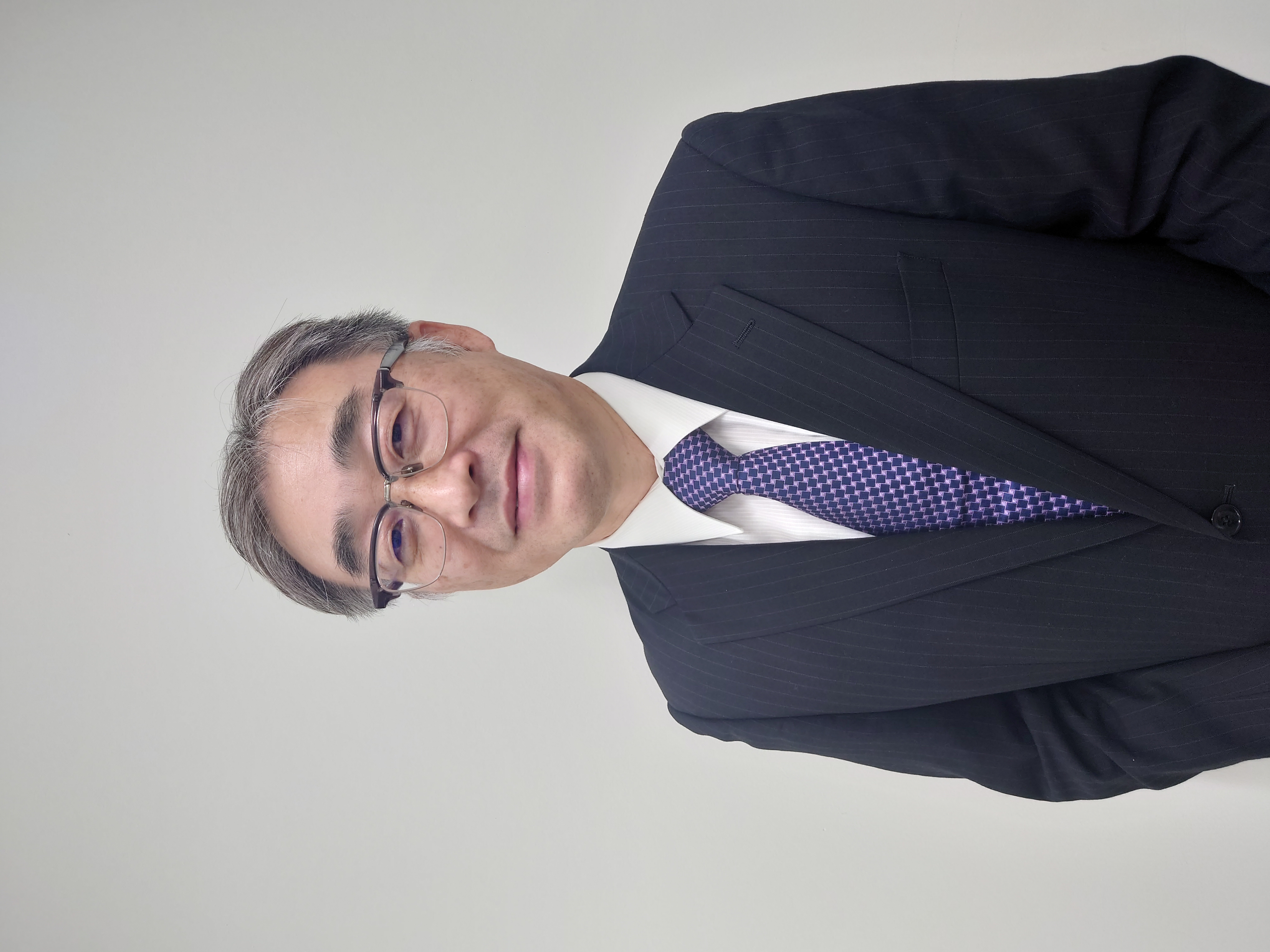
Professor
Kenji Kasuno
Our department investigates how acute kidney injury progresses to chronic kidney disease, and how chronic kidney disease advances, from the viewpoint of redox biology. We apply this knowledge to develop new diagnostics and therapeutics for kidney disease. In close collaboration with the Department of Nephrology, we aim to train inquisitive clinicians. Please feel free to contact us.
Researcher profile (Pure)About Us
Mission
Chronic kidney disease affects about 700 million people worldwide and remains a major global health challenge. Much of its pathophysiology is still unknown, and many patients progress to end-stage kidney disease. Our mission is to elucidate the mechanisms of kidney disease and to establish new therapies that prevent this progression.
Research
Acute kidney injury (AKI) was long believed to resolve completely, but in some patients it progresses to chronic kidney disease. We focus on reduced thioredoxin (TRX), a key protein that protects cellular homeostasis under oxidative stress. We have shown that when TRX remains depleted in renal tubular cells after severe AKI, the cell cycle is arrested, tissue repair fails, and the kidney progresses to chronic kidney disease. We have also found that urinary TRX serves as a biomarker of kidney disease. Building on these findings, we are pursuing the following themes.
- Optimization of TRX inducers and drug discovery through TRX replacement therapy
- Development of companion diagnostics for oxidative-stress-related kidney disease using urinary and renal tissue TRX
- Redox regulation of intracellular compartments, including the TRX/TXNIP complex (Redoxisome)
Education
For medical students, we teach how to think about “why disease occurs” on the basis of physiology, pharmacology and immunology, using kidney–organ interactions and transplantation medicine as examples. For graduate students and young physicians, we provide guidance through multifaceted validation up to publication, aiming to nurture clinician-scientists who return their findings to clinical practice. We also train transplant specialists who provide continuous care for deceased-donor and living-donor kidney transplantation, from the first consultation to long-term postoperative management.
Clinical Practice
In collaboration with the Department of Nephrology and the Department of Urology, we care for patients with intractable kidney disease, including deceased-donor and living-donor kidney transplantation. The first kidney transplant at our hospital was performed in 1990. We have since performed more than 60 kidney transplants (living-donor and deceased-donor), and manage over 100 donors and recipients in our transplant outpatient clinic. Our 10-year graft survival rates exceed the national averages: 91.5% at the University of Fukui versus 84.6% nationally for living-donor transplants, and 83.3% versus 72.1% for deceased-donor transplants. Through the establishment of this department, we will further advance kidney transplantation in Fukui Prefecture and contribute to regional healthcare.
History
April 1, 2026: Department established
Members
- ProfessorKenji Kasuno
Pure
News
- Three posters on the pathology, diagnosis and research of kidney disease were presented at the World Congress of Nephrology (Yokohama).
- A case of kidney transplant artery embolization for chronic graft intolerance syndrome was reported at the 59th Annual Meeting of the Japanese Society for Clinical Renal Transplantation.
- A case report of NELL-1-positive membranous nephropathy was published in Kidney Medicine.
- We reported in Biochem Biophys Res Commun that prolonged depletion of intratubular thioredoxin after severe acute kidney injury contributes to the transition to chronic kidney disease.
- Three posters on the pathology, diagnosis and research of kidney disease were presented at the Kidney Health in Aging and Aged Societies: JSN/ERA Symposium Collaboration with JSDT (Kyoto).
Contact
- Address
- Department of Therapeutics for Intractable Renal Diseases, University of Fukui
- [email protected]